Free Shipping over $125

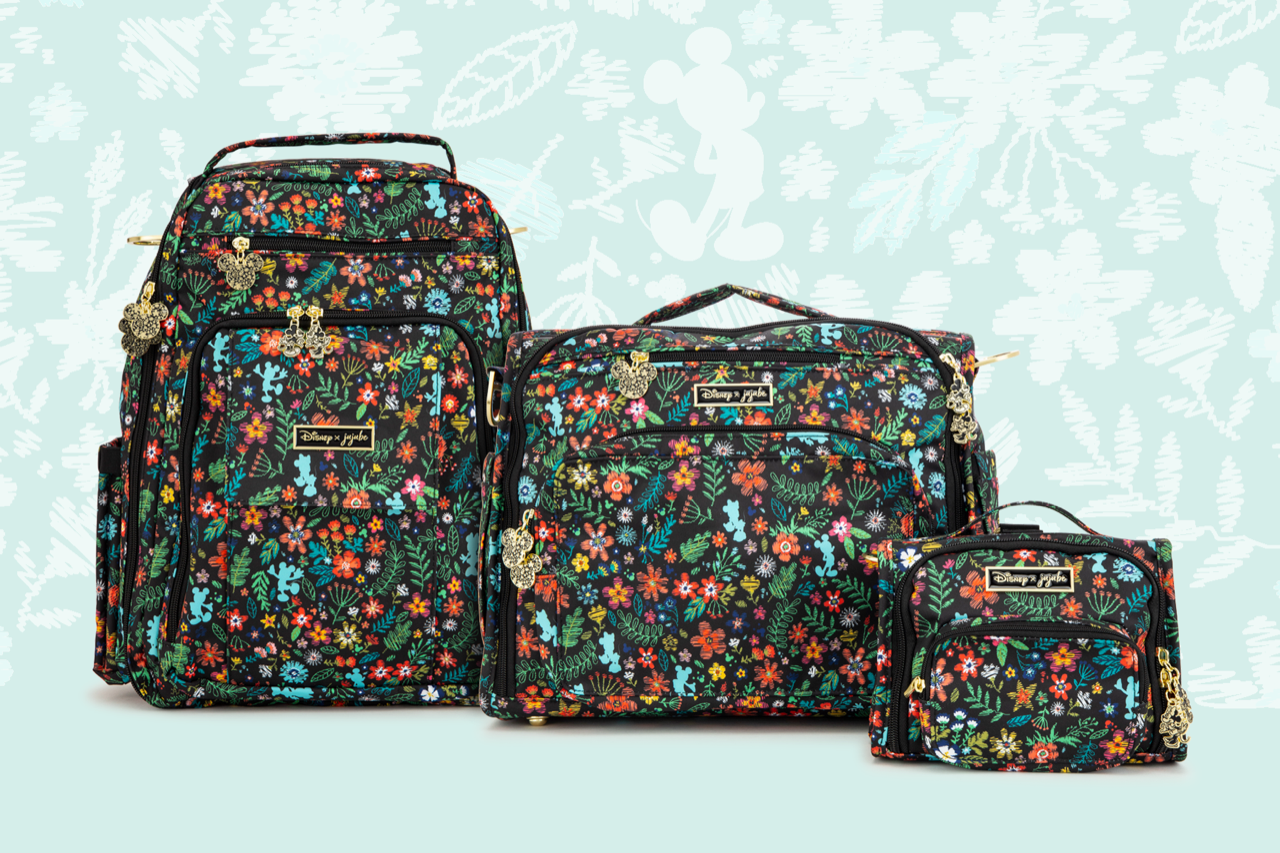
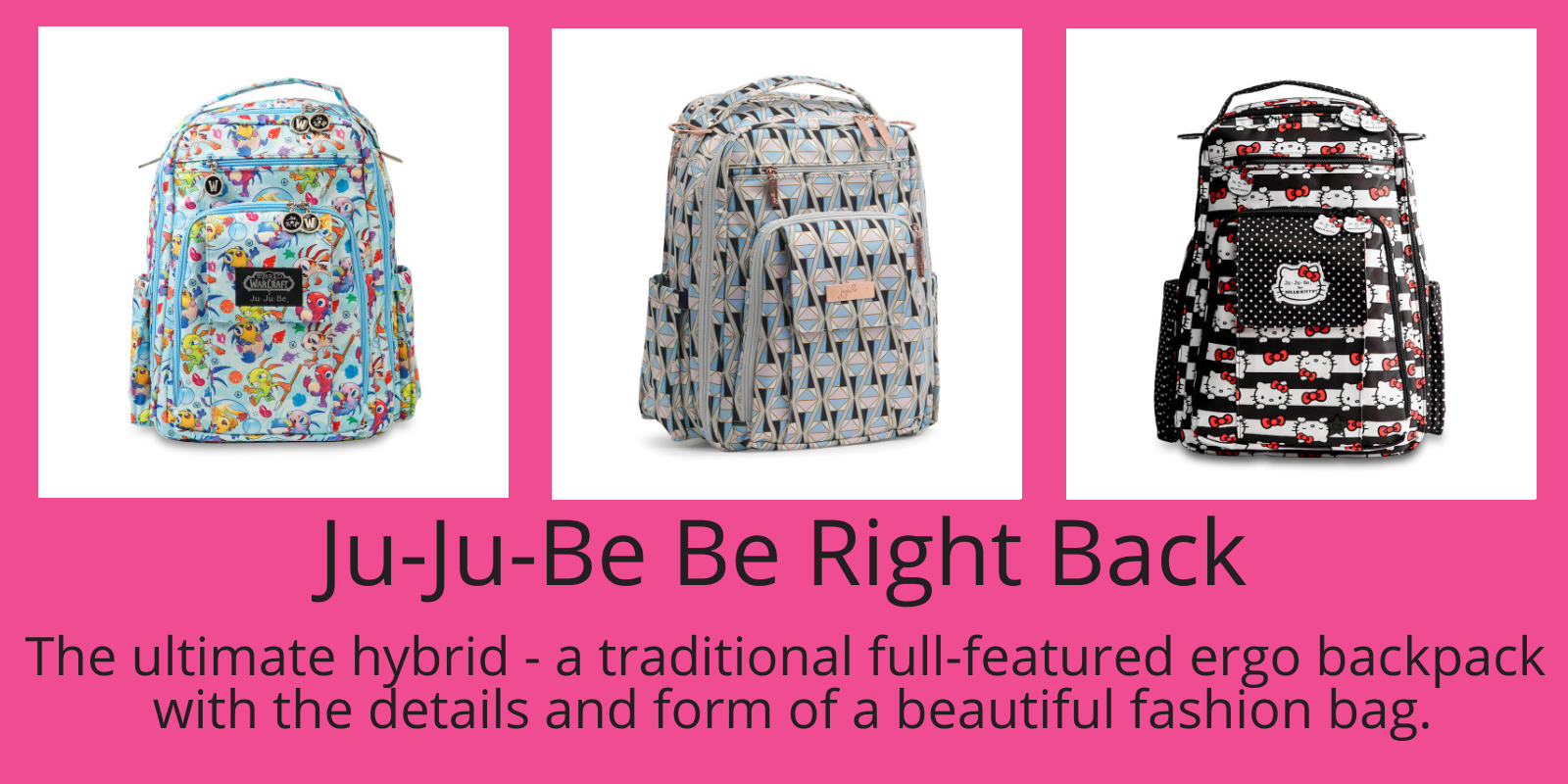
As the mom of three kids, I understand the need to be hands-on at all times. The Ju-Ju-Be BRB Diaper Backpack is my go-to for our family. Ideal for short trips around town or for those long days at the amusement park, either way, it leaves your hands free to be hands-on with the kids.
I have received so many compliments on this bag, everywhere I go someone always stops me to ask…”What is this unbelievable diaper backpack called?” and “Where can they get one?” My answer is the Ju-Ju-Be Diaper Backpack and you need to get one ASAP, you won’t regret it! Your significant other will thank you too! No man wants to look like they are carrying around a man purse or an arm bag. It is stylish, fun and universally wearable.
The Ju-Ju Be BRB bag is super functional. The large main compartment opens up completely and has several smaller pockets inside. You can easily unzip the bag lay it flat so everything inside is visible. It also includes a full zipper compartment, a wipe holder near the top of the bag for quick easy access and an expandable mesh compartment.
Another wonderfully convenient feature of the BRB is the “mommy pocket” on the front. There is a convenient clip for your car keys and the perfect pocket for your sunglasses. The pocket is large enough to hold a full size wallet…so there is no need to lug around a purse.
Cellphone pocket is quite deep. I can get my IPhone 7 Plus in there easily. It is lined with a soft cloth liner to avoid any scratches to your screen.
Two bottle pockets with Thinsulate by 3M that will allow you to bring those bottles and not worry about their temperatures.
The top storage pocket is fairly large. It is a great place to keep things I like to get quickly like hand sanitizer, lip balm and toys.
The side zip compartment is so convenient! It is actually one of the best thought our features of the bag. When you are holding baby and need to get the change pad out, the last thing you want to do is dig through your entire diaper bag with things falling out to find it. The change pad has its own special compartment, getting the change pad out swiftly, will never be a problem again.
Some of the other value extras for those sticky situations include that the entire bag is machine washable! Just let it air dry. The fabric won’t fade and the bag will hold its shape. The fabric also has been Teflon treated, so you don’t have to worry about stains. The interior has been Agion treated, in order to resist bacteria, mold and mildew. The straps are padded and back panel is made from padded, breathable mesh to keep you cool and comfortable all day long, and the memory foam changing pad in the back pocket provides added cushioning for your back. It also has two metal rings to allow you to hang off your stroller easily.
The Ju-Ju-Be BRB bag is PERFECT for you. It’s amazing and will keep everything organized and fits a ton of family essentials. It is a must for those shower registries, a gift for a new Mommy, or a welcome addition to those families who would rather be hands on, instead of tied down.
The decision to buy this bag is the easy one, the tough part will be deciding which amazing pattern or colour to choose from! Choose yours here: https://www.alongcamebaby.ca/collections/ju-ju-be-be-right-back
On November 1st, 2018 Hello Kitty is celebrating her 44th birthday. The original Hello Kitty was created by Yuko Shimizu in 1974, and now the Hello Kitty brand is worth over 5 billion dollars! But what makes people love her so much? Well most people love her because she is so adorable. Hello Kitty also appeals to people because she doesn't have a mouth, this means she be feel whatever emotion you want! I think another reason people love her so much is you can find just about anything with Hello Kitty on it including beautiful diaper bags from Ju-Ju-Be! The latest collaboration print is called Dots and Stripes. You can find this print and previously launched Hello Kitty/JuJuBe prints here. Here's a sneak peak:
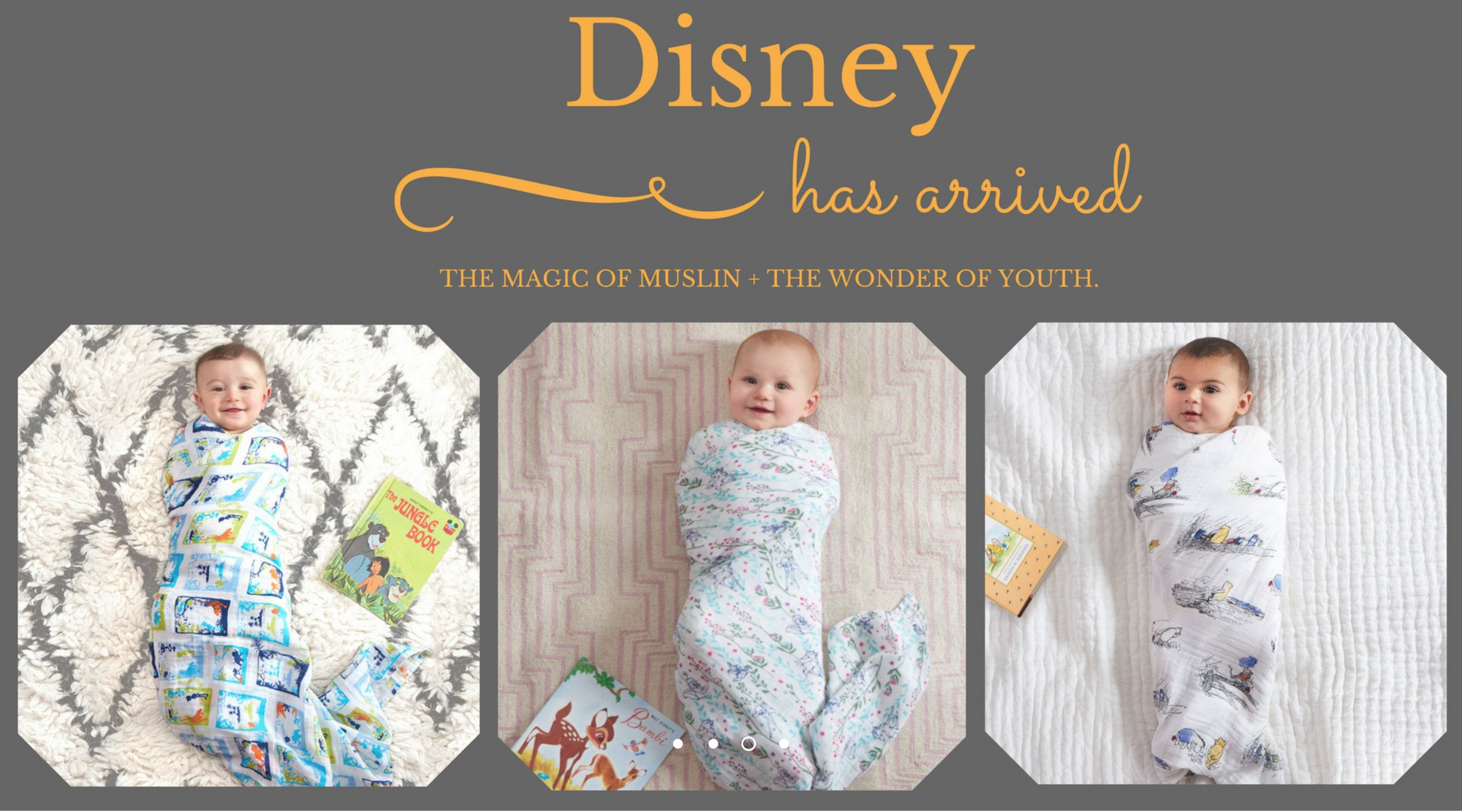
New born babies are accustomed to being crammed in a small space for 9 months. Being free of the warmth and confined space of a Mother's womb and the sudden lack of hearing Mom's soothing and consistent heart beat throws them off. Who wouldn't be cranky? These sudden changes make it difficult for baby to soothe themselves and get a good nights rest. One way to help is to swaddle them.
Combining the magic of muslin with the wonder of Disney, these swaddles capture the enchanting world of Bambi, Jungle Book and Winnie the Pooh. Breathable, versatile and soft as a mother's touch, our 100% cotton muslin swaddles simplify what can be a chaotic time. No matter how you're using them—stroller cover, burp cloth or nursing cover to name just a few—they surround your little one in comfy goodness round the clock.
The muslin is pre-washed so it's super soft from the start and stays that way wash after wash. Created by a mum on a mission to comfort babies in the best way possible while making parents' lives simpler, our award-winning original swaddle continues to set the standard worldwide.
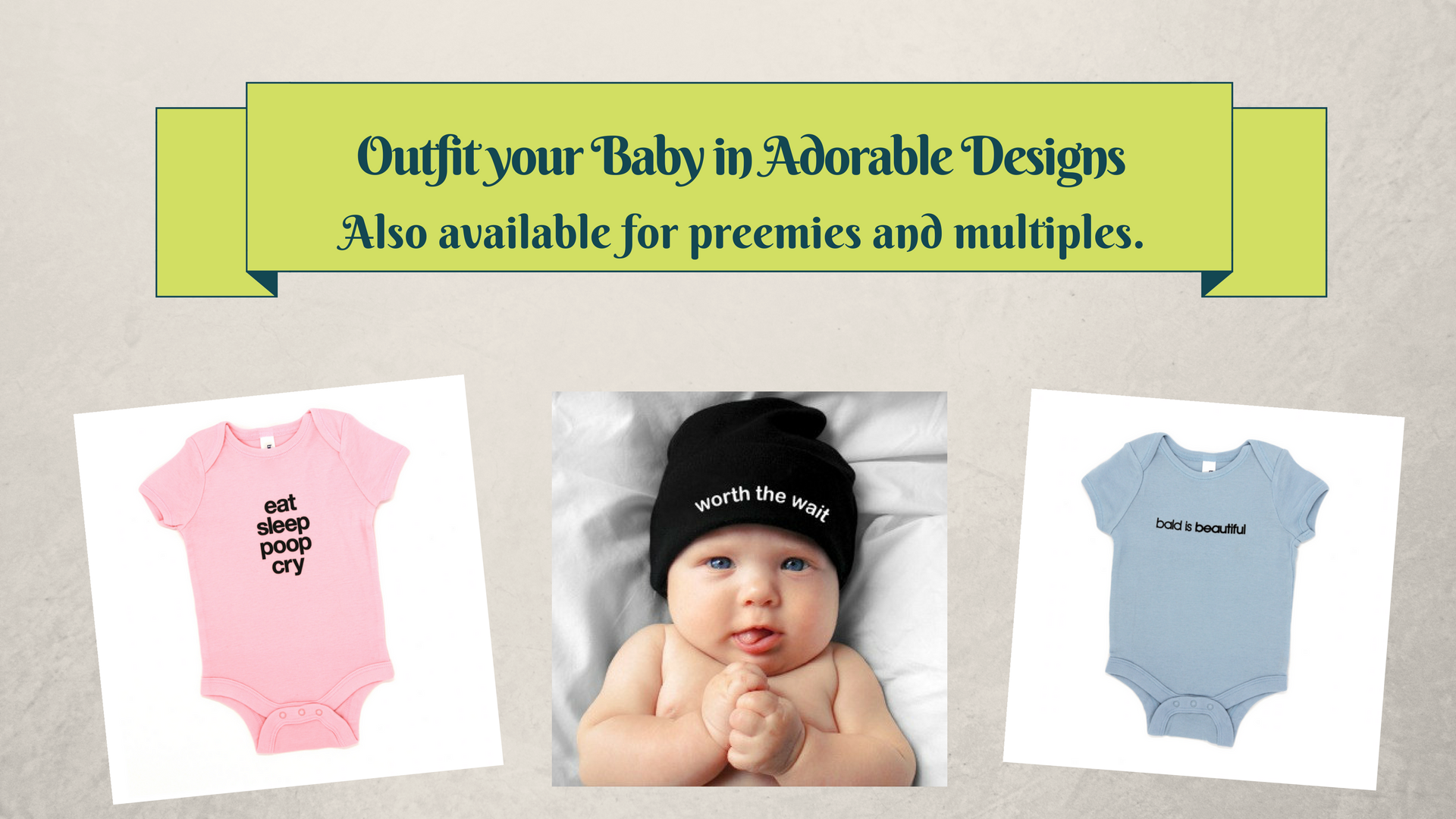
Who doesn't love picking out tiny little outfits for the new baby in their life? Whether the baby is yours, family members or friends, shopping for baby clothes is almost irresistible.
Baby clothes make great gifts to give new parents. Especially if those new parents have more than one new baby in their house or if their baby is extra itty bitty.
Onesies are the foundation of a baby’s wardrobe. Parents use onesies instead of regular shirts because they have snaps at the crotch, which prevent them from slipping up and exposing the skin on their bellies and back to the cold. A warm and comfortable baby is more likely to be a happy baby and what new parent doesn't want their baby to be as happy as possible? At Along Came Baby we carry a variety of onesies and infant caps with cute sayings on the front to add little personality and humour to any baby's wardrobe. We also carry onesies and layette items for preemies and multiples. Here are just a few:
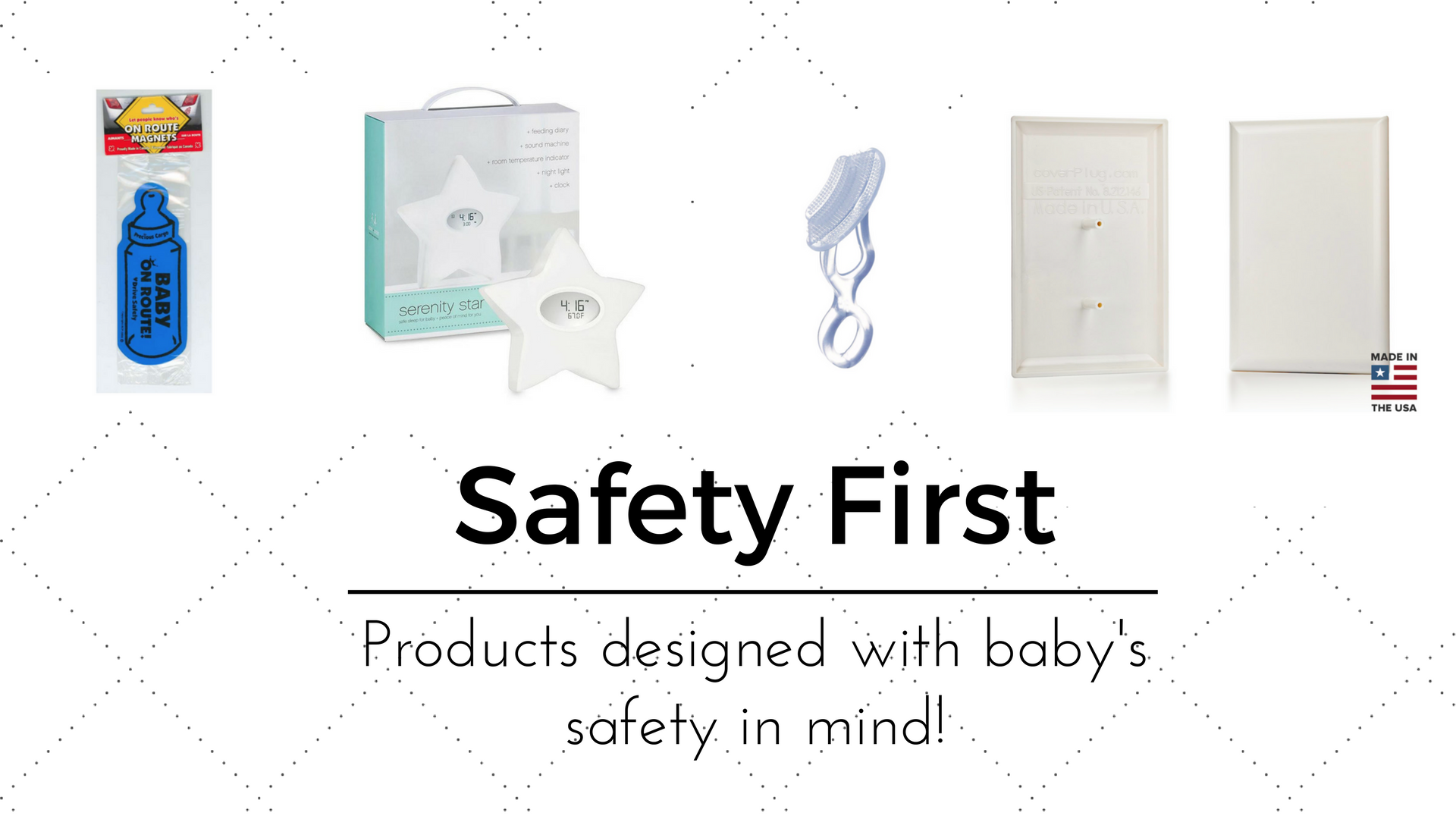
We love the Aden + Anais Serenity Star! We consider it a must have for baby's nursery! Safe sleep for baby, peace of mind for you!
This multi-tasking electronic feeding and sleep system combines helpful technology with signature Aden + Anais style.
Makes a great gift!
Find the Serenity Star and other great safety items here.
You're tired, frustrated, and the your new little "bundle of joy" won't stop crying. Are they getting enough milk? Are they overstimulated? Should they be on a schedule? The first few weeks of Motherhood is a rollercoaster ride of emotions. What to do? It's all about survival, plain and simple. Accept that things are beyond your control. It will seem gruelling at the time, but it passes quickly and becomes a small blip on the radar of parenthood.
One of the biggest challenges (other than getting enough sleep) is breastfeeding. New Moms quickly become knowledgeable on blocked ducts, mastitis, and cracked nipples. Mastering the art of nursing can be a challenge. Thankfully help and advice can be found on the internet. We've found this useful article from Medela that contains 21 tips from breastfeeding Moms.
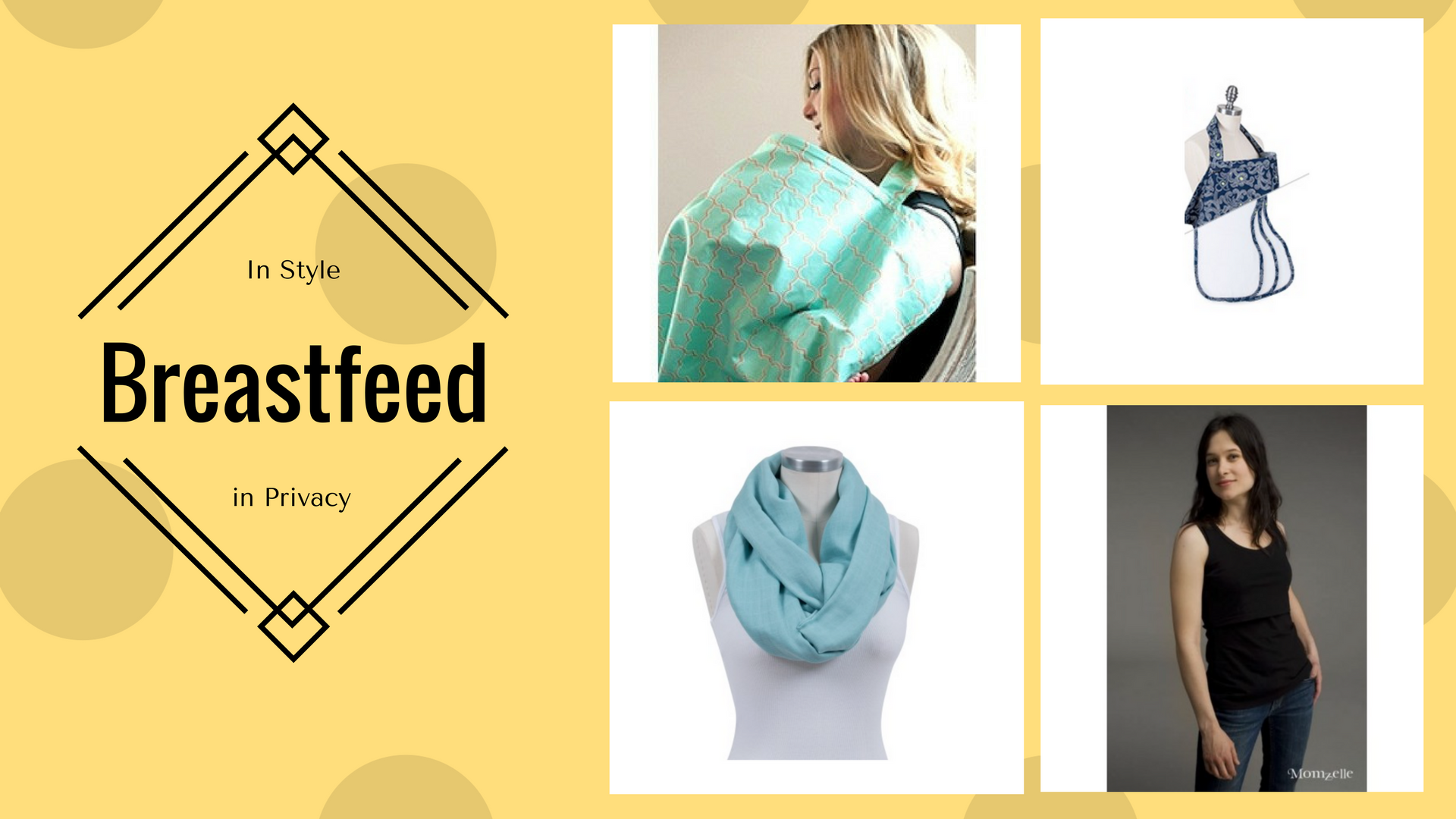
Good luck on your Nursing journey! Breastfeed in style and privacy with some of these great products from Momzelle, Baby au Lait, Peanut Shell, Lily Padz and Udder Covers!
Ahh, summer! The warm summer breezes, the lazy days of no homework, lunches and minimal schedules. There are so many reasons to love summer, especially if you're Canadian. They are way too short here so you need to take advantage while you can!
First up, popsicle making! Here are some recipes from Food Network Canada for "super easy, two ingredient" yummy popsicles. Coconut and watermelon popsicles? Sounds amazing to us!!
Next! Outdoor activities! From painting to making an outdoor science lab Popsugar Moms has a list of 38 fun and interactive ideas for kids to enjoy in warmer weather.
Another thing to keep in mind over the summer months is water safety! You can never be too careful in and around pools and any open water. The Government of Canada has a great article to help keep the little ones safe.
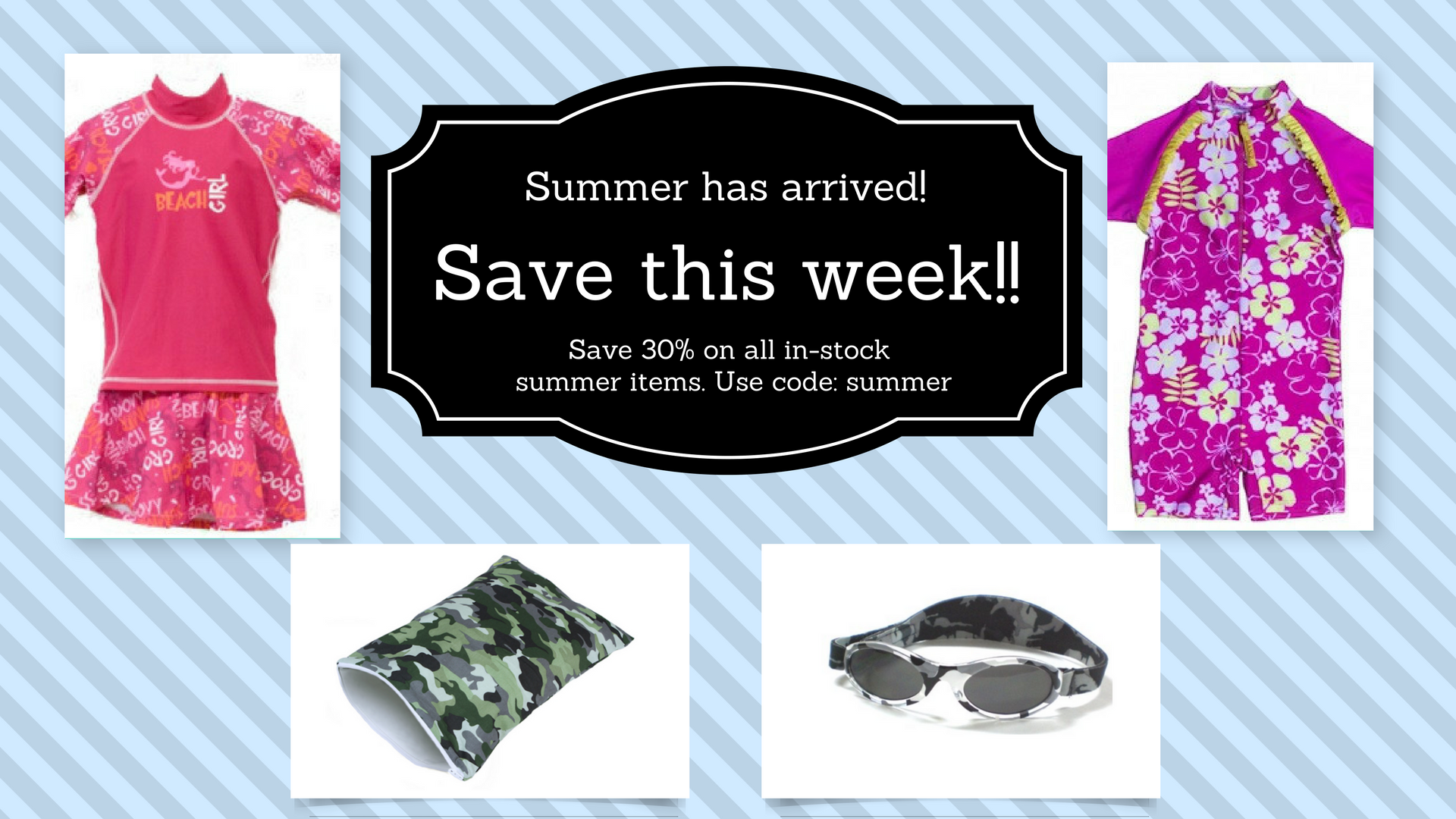
To help kick off summer we are having a 30% off sale all week long! Use coupon code summer at checkout to save on these great items.
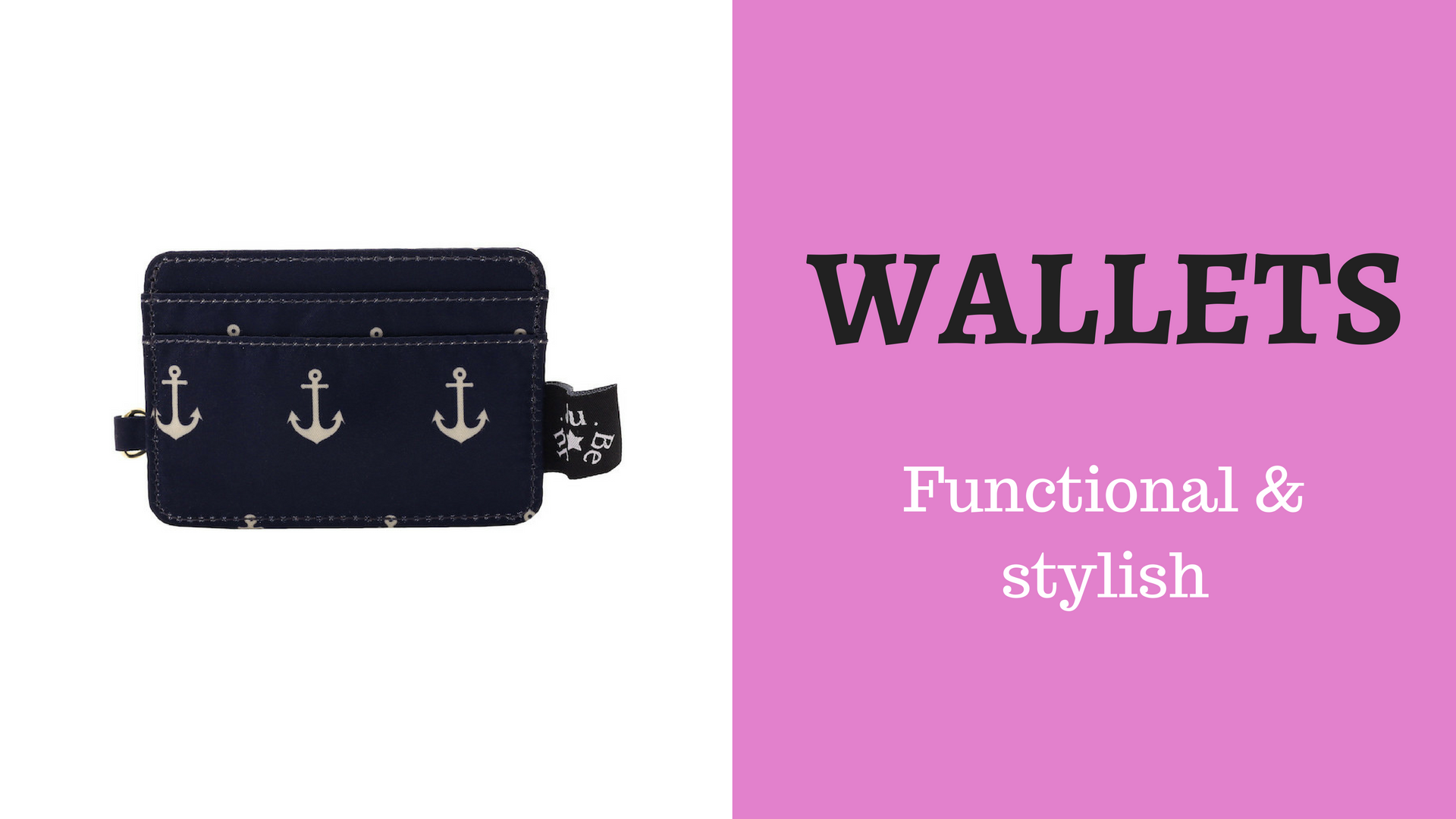
Finding the perfect wallet for your busy mommy lifestyle can end up saving you time and keep you as organized as possible. We know that you’re constantly on the go, running errands while carrying snacks, juice boxes, diaper bags and so much more. Your wallet is home to the many rewards and credit cards you own and you need something that is easy to access, secure, well designed and of course stylish. We have some wonderful choices for you from Ju-Ju-Be that are stylish and slim even when filled with cards. There is a ton of space inside to organize all your stuff. Our prices won’t break the bank either!
Charge it! This double-sided, slotted card case is the perfect size if you just need to run out quickly, or throw it in a smaller pocket on your Ju-Ju-Be bag! Featuring 4 credit card slots, an insert pocket and a D ring that can clip on to your keys, the Be Charged is a perfect way to accomplish ultimate organization without taking up a lot of room!

The Be Rich is a tri fold wallet with a snap enclosure. The outside features a zippered pocket to keep your change in place. Open it up to find over 15 card slots, a clear pocket for your ID and plenty of room for cash! Featuring the new metal Ju-Ju-Be logo, the Be Rich is sure to keep you looking exactly that….rich! So for those of you who need a conventional wallet with lots of room AND want to be super fashionable, this one’s for you!
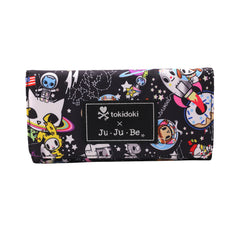
This zip around wallet will keep you nice and tidy! The Be Spendy features 8 card slots, 4 bill compartment options, a zipper change pocket and a place for your I.D. You can even carry it as a clutch! Just use the D ring located on the exterior! (Straps not included, but that means you can be creative!) The new metal Ju-Ju-Be logo takes the Be Spendy to a whole new level of fashion! So go ahead…go into the world and Be Spendy!

No matter your style or needs we have something for you and we’re confident that our wallets will help make your life easier.
To see the full line, visit our online store!
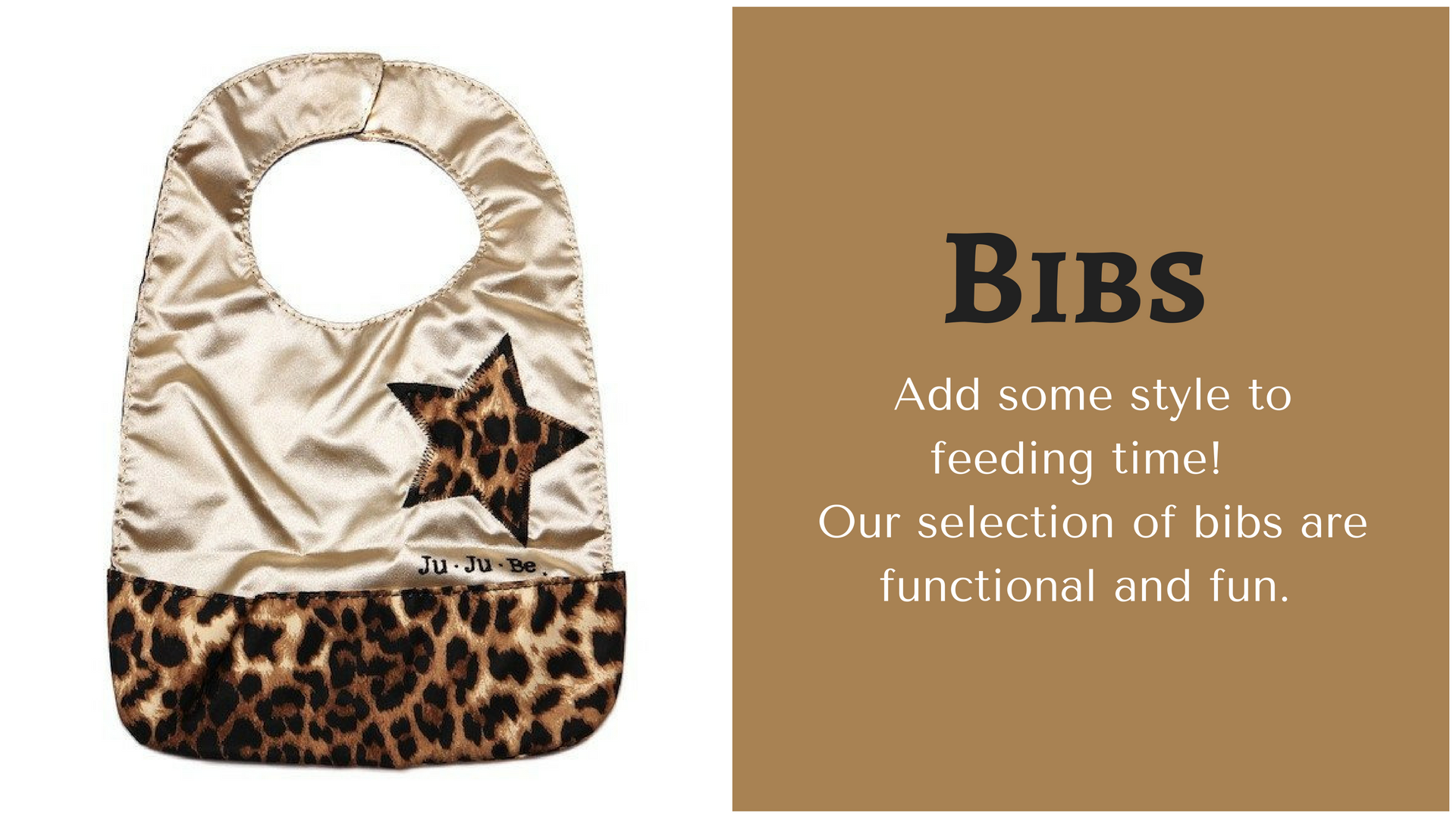
While we know meal time can be the cause of messes on messes on messes, there's no need to forget style during the "fun" of meal time! Our babies can have style at feeding time.
The last few years has seen a significant rise of the types of baby bib that is available on the market. Some bibs are great at catching messy food, others look cool as part of an outfit. We have both!
We carry two lines here at Along Came Baby, the Ju-Ju-Be-Neat line and the Aden + Anais line. Both are great and have fabulous features.
A customer reviewed the Ju-Ju-Be-Neat bib, this is what she had to say:
“The Be Neat is one of Ju-Ju-Be’s unsung heroes! Don’t be mistaken by thinking it’s “just another bib.” Au contraire! This lightweight mess-preventer is not only machine-washable like the rest of the Ju-Ju-Be lineup, but it is also reversible AND has a catch-all pocket to boot! The magnetic closure is super strong so grabby hands can’t yank it off (but watch out and make sure it doesn’t clip little fingers or hair!).
In this video, I’ll show you the different features of the Be Neat. It continues to be a staple in my diaper bag, even though my daughter is already in preschool. No spaghetti meal gets eaten without it!”
The Aden + Anais "Dribble" 2 pack burpy bibs are a great size, and they're super absorbent, so the spit-up doesn't often dribble off the cloth; it absorbs right in.
This is what a new Mom has to say about the bibs:
“I love this product. This is my first child. I didn't know what to expect when it came time to feeding my son a bottle. We've had quite a few spit ups. Of course no bib is ever big enough for that sometimes unexpected and dreaded Exorcism-type spit up, but these bibs come pretty close. This product's larger size and cloth/material thickness, when compared to a normal-sized neck bib, are both great and are the two things that I like the most about this bib. These bibs have saved a few baby and momma articles of clothing from having to be washed. I like the fact that the bib can serve both as a bib and burp cloth! It is convenient for both my son and myself. The fabric is machine washable and does get softer with each wash.”
We think it’s important to purchase items that are functional yet still cute and fashionable. Let’s face it, sometimes feeding time can be messy. Might as well look good while doing it!
Treat yourself, your baby or a friend with one of our gorgeous bibs today!
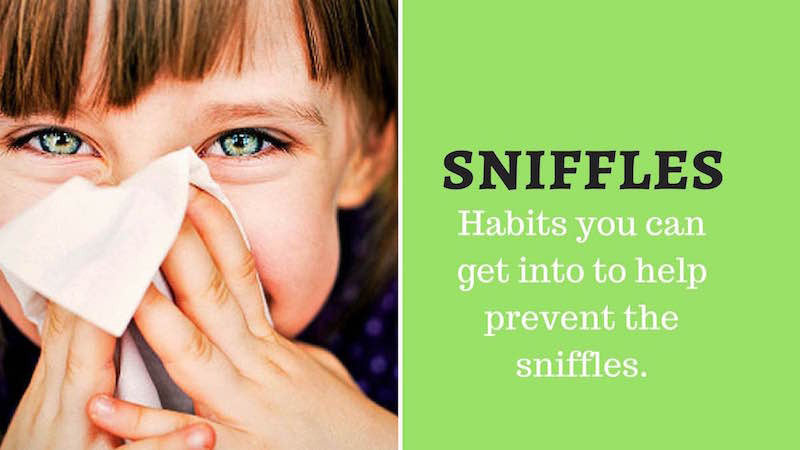
Fall is here and as the temperature changes, so do the chances of your little ones getting the sniffles.
On average, kids under age the age of three catch at least six to eight colds a year. "We think that since most children are encountering viruses for the first time, their immune systems aren't able to kill them as quickly as when they encounter them again," says Carol J. Baker, M.D., a professor of pediatrics at Baylor College of Medicine, in Houston. What's more, because kids aren't overly concerned about having a runny nose, the virus tends to end up on their hands, clothing, and toys--where it can live for 30 minutes. When another child touches an infected toy and then rubs her nose or eyes, she can catch the cold.
It’s hard to stay away completely from germs but here are seven habits you can practice with your little one to help prevent the sniffles.
1) Wash their hands, and yours too Mom and Dad.
2) Keep them active. Exercise boosts the immune system and don’t let the cooler weather prevent you from doing activities outside.
3) Make sure the kids are getting enough sleep.
4) Teach your kids to keep their hands away from their eyes, nose and mouth.
5) Visit your doctor and make sure you’re up to date on vaccinations.
6) Feed them healthy, colourful meals. Maintaining a good diet is key for overall health.
7) Teach your kids how to keep other people free from illness as well. So, when your children are sick, coughing in the crook of their elbow, using tissues, and washing their hands are each practices they should use while at school or daycare.
Myth or truth? These stubborn myths about colds just aren't true, courtesy of Parents Magazine.
Myth: Antibiotics will help your child get over a cold.
Fact: Since colds are caused by viruses, they aren't treatable with antibiotics, which kill only bacteria.
Myth: Green snot means your child has a sinus infection.
Fact: Colds typically go through a phase when the nasal secretions are yellowish or greenish.
Myth: Starve a cold.
Fact: It's important for your child to eat to keep her body strong and help her fight the infection. Don't worry, though, if she doesn't have much of an appetite for a day or two. Just make sure she keeps drinking. "If she has a fever and a runny nose, it's easy for her to get dehydrated," Dr. Baker says.
Myth: Don't let him cough.
Fact: Coughing is actually a protective mechanism that clears mucus from your child's respiratory tract. Avoid giving him a cough suppressant unless it's specifically recommended by your doctor.
While we love these tips and truths, don't forget that love, hugs and cuddles will always help bring your little one back to good spirits!
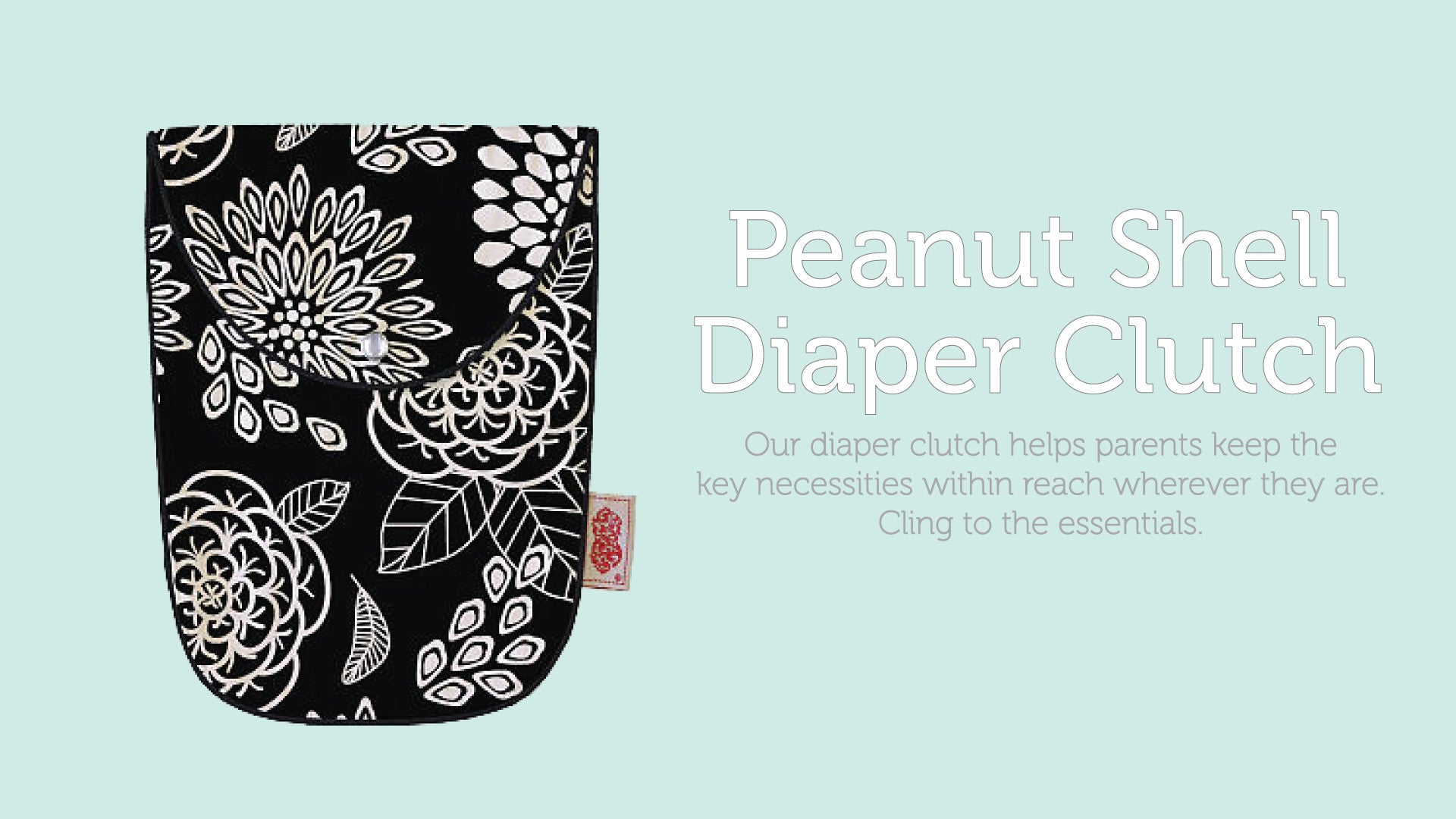
As a mom, we both know and understand that organization is crucial when it comes to planning and accomplishing everyday tasks. We agree that diaper bags are a great invention, as it helps you pack everything that you need (and often more than what you need) on a given day – but when you don’t need to pack everything (and more!!) with you and your baby, downsize to one of these lifesaving diaper clutches! Let’s face it, who doesn’t love simplicity? Especially when it comes to lugging around the things your baby needs. Perfect for quick trips to the park or simply toss it into your diaper bag and grab the Peanut Shell diaper clutch the next time you have to do a diaper change – way easier than lugging a diaper bag into a stall with a change table! This is a whole new world and you will love how easy this is.
We can’t help but love Peanut Shell’s diaper bag clutch as it is the perfect size: smaller than a traditional diaper sized bag, but large enough to hold two to three diapers, several wipes and some parental fundamentals. Inside you’ll find a fold out changing pad, zippered compartments for baby supplies and a water-resistant lining – so you won’t have to sweat the messes (too much!) Of course, you can double this as a pillow for your little munchkin when you’re on the go as it’s cushy enough to support a young ones’ neck. Who doesn’t love a 2-in-1?
Let us reassure you that messy diaper changes are no match for the Peanut Shell’s clutch! Bonus - It’s machine washable and eco friendly. Compared to other bags that can extremely pricey, Peanut Shell provides fashion on a budget! It’s inexpensive and uber-efficient as it’s extra-long and extra-wide that provides you with everything you need and more!
Grab one today and understand the simplicity life has to offer.


